The Art and Science of Modern Dental Prosthetics: A Look Inside the Lab
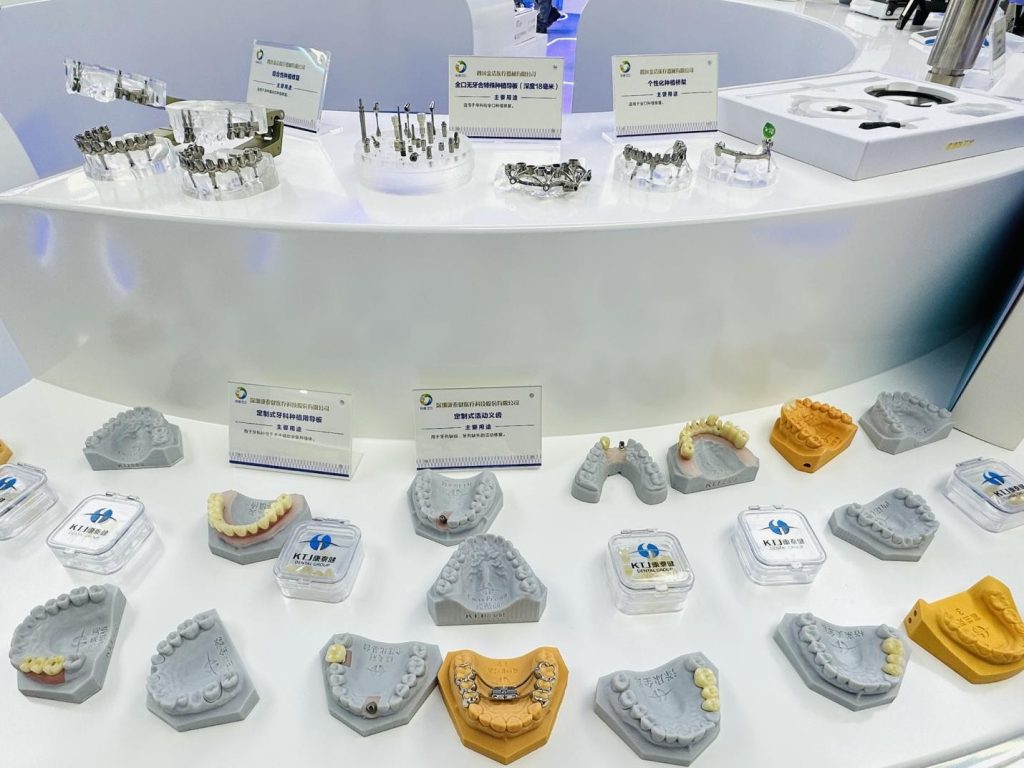
In the dynamic world of dentistry, the journey from diagnosis to a perfectly fitted prosthetic is a marvel of precision, material science, and digital innovation. At the heart of this transformation are skilled dental technicians and a carefully curated suite of essential equipment and advanced materials. Let’s take a closer look at what goes into creating the beautiful and functional smiles of today.
The Foundation of Quality: Essential Digital Equipment and Dental Lab Supplies
The modern dental lab is a far cry from its predecessors. Manual artistry is now augmented, and often guided, by cutting-edge digital technology that ensures unparalleled accuracy and efficiency. The procurement of high-quality dental lab supplies is foundational to this process.
- Benchtop Scanners: The process typically begins with a highly accurate digital impression. While intraoral scanners are used chairside, the lab relies on advanced benchtop scanners (like the one shown previously) to capture intricate details from physical models or impressions. These scanners create a precise 3D digital representation, serving as the blueprint for subsequent design and fabrication. The precision of these devices, often boasting micron-level accuracy, is critical for the perfect fit of the final prosthesis.
- CAD/CAM Software: Once the digital data is acquired, it’s fed into sophisticated Computer-Aided Design (CAD) software. This is where the magic of digital design unfolds. Technicians, with their deep understanding of dental anatomy and occlusal principles, can design everything from single crowns to full arch frameworks with incredible detail. They can virtually articulate models, check for interferences, and optimize the shape and contours for ideal function and aesthetics. Following design, Computer-Aided Manufacturing (CAM) software translates these digital designs into instructions for milling machines.
- Milling Machines: The workhorse of the modern lab, 5-axis milling machines are precision robots that carve the prosthetic from solid blocks of material. These machines can navigate complex geometries, ensuring that the final restoration matches the digital design with incredible fidelity. Whether it’s a titanium framework or a zirconia crown, the milling machine executes the design with meticulous accuracy.
- Sintering Furnaces: For ceramic materials like zirconia, a sintering furnace is an indispensable piece of equipment. After milling, zirconia prosthetics are in a “green” or pre-sintered state, which is softer and easier to mill. The sintering process involves heating the zirconia to extremely high temperatures (often over 1500°C) for several hours, densifying the material and giving it its final strength, translucency, and hardness.
The Backbone of Durability and Aesthetics: Advanced Materials and Dental Lab Supplies
The choice of material is paramount, dictating the strength, biocompatibility, and aesthetic outcome of the dental prosthesis. Modern labs leverage advanced materials engineered for specific clinical demands. Sourcing these high-grade dental lab supplies is a continuous priority.
- Grade 5 Titanium Blocks: For robust and biocompatible frameworks, especially for implant-supported prostheses, Grade 5 Titanium blocks are the material of choice. Also known as Ti-6Al-4V, this alloy is celebrated for its exceptional strength-to-weight ratio, excellent corrosion resistance, and remarkable biocompatibility. When fabricating full arch frameworks or custom abutments, technicians mill these frameworks directly from solid Grade 5 titanium blocks. This ensures a monolithic structure that can withstand significant occlusal forces, providing a stable and long-lasting foundation for the final restoration. The use of Grade 5 titanium is critical for the longevity and integration of implant prostheses, offering patients a durable solution that closely mimics natural bone.
- Rapid Speed Zirconia Blocks: The aesthetic demands of modern dentistry are largely met by zirconia. This ceramic material has revolutionized crown and bridge fabrication due to its superior strength, fracture toughness, and increasingly, its natural translucency. Within the lab, technicians utilize rapid speed zirconia blocks. These advanced zirconia formulations are designed to achieve full sintering and optimal properties in significantly shorter furnace cycles compared to traditional zirconia. This “rapid speed” capability allows labs to produce high-quality, fully sintered zirconia crowns and bridges more quickly, improving turnaround times without compromising the material’s integrity or aesthetic appeal. Available in various shades and translucency levels, these blocks can be layered with feldspathic porcelain for enhanced aesthetics or used as full-contour monolithic restorations for maximum strength.
The Synergy of Skill and Technology
The combination of skilled technicians, precise digital equipment, and state-of-the-art materials like Grade 5 titanium and rapid speed zirconia blocks culminates in dental prostheses that are not only highly functional and durable but also aesthetically indistinguishable from natural teeth. From capturing initial digital data with a benchtop scanner, to designing with CAD/CAM software, milling with incredible precision, and finally sintering to perfection, every step is a testament to the continuous innovation in dental technology. To discover the latest dental lab supplies of equipment and materials, visit this platform from Dental Lab Shop.
This intricate process underscores the vital role of the dental lab and its technicians as indispensable partners in delivering exceptional patient care, truly transforming lives one smile at a time.